Leaf
Leaf is a child of the forest, one of the last of the race that once inhabited all of Westeros. She serves as a guide and teacher to Bran Stark after he reaches the cave of the Three-Eyed Crow, explaining the nature of the greenseers, the history of her people, and the fate that awaits Bran if he accepts his powers.
Identity and Appearance
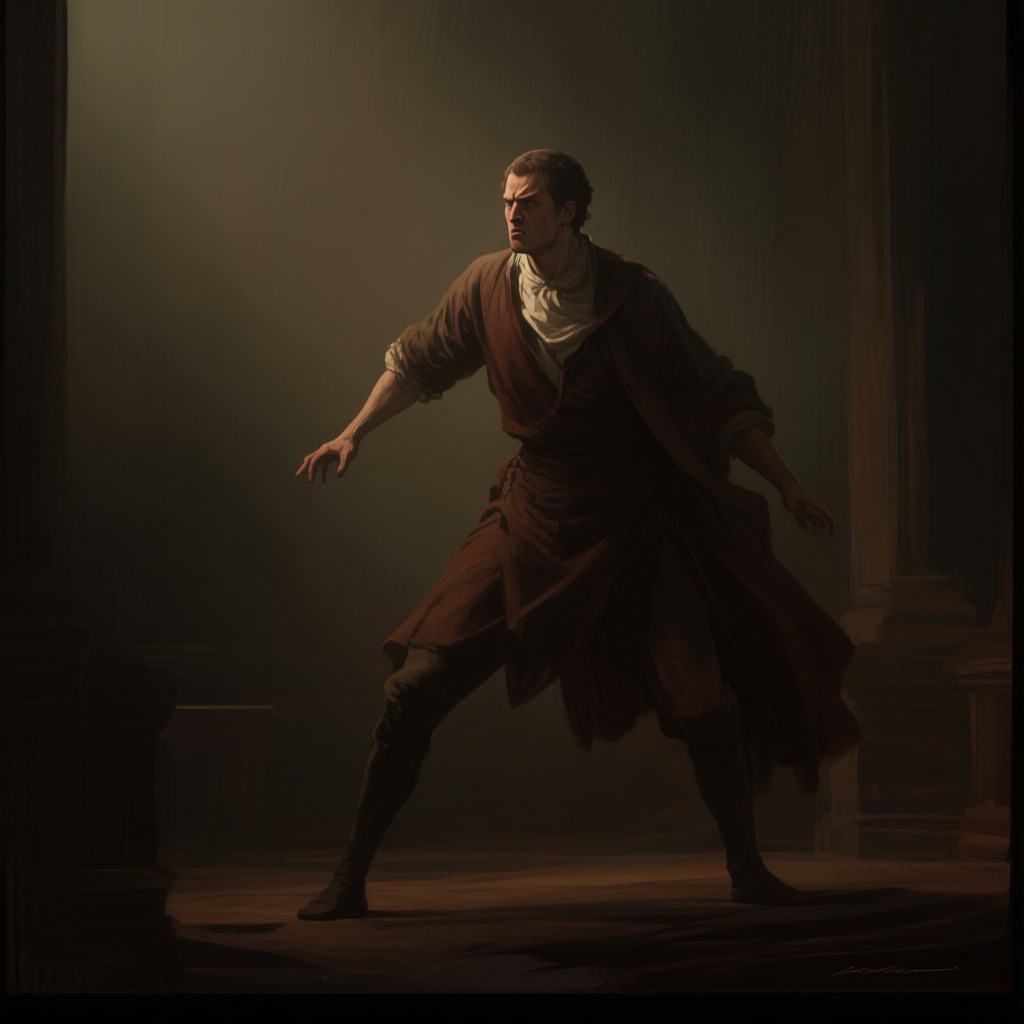
Leaf is small, far smaller than Arya Stark, with dappled skin like a doe's beneath a cloak of leaves. Her eyes are queer—large and liquid, gold and green, slitted like a cat's. Her hair is a tangle of brown and red and gold, autumn colors, with vines and twigs and withered flowers woven through it. She carries a torch and moves quickly through the dark passages of the cave. When Bran first sees her, he mistakes her for his sister Arya, but her voice is not a child's: it is a woman's voice, high and sweet, with a strange music in it and a sadness that he thinks might break his heart. She speaks the Common Tongue, but only for Bran's sake. She was born in the time of the dragon, and for two hundred years she walked the world of men, to watch and listen and learn, before turning her feet for home.
Role as Guide and Teacher
Leaf leads Bran, Hodor, and the Reeds through the cave to the Three-Eyed Crow, whom she calls the greenseer. She warns them that the ranger Coldhands cannot enter the cave, saying, "They killed him long ago." She explains that the cave is warded, and that the dead things outside cannot pass. When Bran asks if she has a name, she replies, "When I am needing one." She is the one who brings the weirwood paste for Bran to eat, telling him, "The trees will teach you. The trees remember." She extinguishes the torches one by one as Bran prepares to slip his skin and enter the roots, and when Bran returns from his vision of Winterfell, she corrects him: "He is gone, boy. Do not seek to call him back from death." She tells him that what he saw were shadows of days past, not the present.
History and Nature of Her People
Leaf explains that the First Men named them children, but the giants called them "woh dak nag gran," the squirrel people, because they were small and quick and fond of trees. Their name in the True Tongue means "those who sing the song of earth." She tells Bran that before the First Men came, all of Westeros was home to them, yet even in those days they were few. "The gods gave us long lives but not great numbers, lest we overrun the world as deer will overrun a wood where there are no wolves to hunt them." She says that now their sun is sinking, and this is their long dwindling. The giants are almost gone as well, the great lions of the western hills have been slain, the unicorns are all but gone, the mammoths down to a few hundred. "The direwolves will outlast us all, but their time will come as well. In the world that men have made, there is no room for them, or us." She speaks of this with sadness, and Bran reflects that men would be wroth, would hate and swear a bloody vengeance, but the singers sing sad songs where men would fight and kill.
Relationship with Bran and the Cave
Leaf is present when Bran first sees the Three-Eyed Crow, a skeletal figure in a nest of weirwood roots. She tells Bran that the greenseer has lived beyond his mortal span, and that only a little strength remains in his flesh. "He has a thousand eyes and one, but there is much to watch. One day you will know." She is one of the singers who make Bran a throne of his own, of white weirwood flecked with red, dead branches woven through living roots, placed in the great cavern by the abyss. She covers him with warm furs. When Bran asks if all the birds have singers in them, she confirms that they do, and that it was the singers who taught the First Men to send messages by raven, though in those days the birds would speak the words. She warns the Reeds not to go wandering in the caves, saying there are passages that go even deeper, bottomless pits and sudden shafts, forgotten ways that lead to the very center of the earth, and that even her people have not explored them all in a thousand thousand of their man-years.